
Dentures Should Not Hurt Your Tongue: Here Is Why They Do

Source:
Dr. Marketing
Wearing dentures should make everyday life easier, not more uncomfortable. If your dentures are rubbing against your tongue every time you eat, speak, or swallow, it can quickly turn simple daily activities into frustrating experiences. While many people assume soreness is just something they have to live with, persistent irritation is often a sign that your dentures need attention.
Your tongue is one of the most sensitive muscles in your body. Even a slight change in the way your dentures fit can lead to discomfort, small sores, or difficulty speaking and eating. The good news is that most causes of tongue irritation can be identified and corrected with professional care.
At Richmond Denture Clinic in Richmond, we help patients improve the comfort, fit, and function of their dentures through personalized evaluations and adjustments. If your dentures are causing discomfort, scheduling a consultation with our team can help you enjoy your smile again with greater confidence.
Your Tongue Notices Problems Before You Do

Many people do not realize how much work the tongue does throughout the day. Every time you chew, swallow, speak, or even smile, your tongue constantly moves around your dentures. A well-fitting denture allows these movements to happen naturally without creating pressure or friction.
Unlike your gums, the tongue is extremely sensitive. A tiny rough edge, a slightly loose denture, or a small change in your bite may seem insignificant, but your tongue can detect it immediately.
That is why what begins as mild rubbing can gradually develop into soreness, irritation, or even painful ulcers if left untreated. Rather than trying to "get used to it," it is important to understand why the irritation is happening in the first place.
If your dentures have become uncomfortable, book an evaluation with Richmond Denture Clinic in Richmond. A simple adjustment may be all that is needed to restore your comfort.
Common Reasons Your Dentures May Be Rubbing Your Tongue
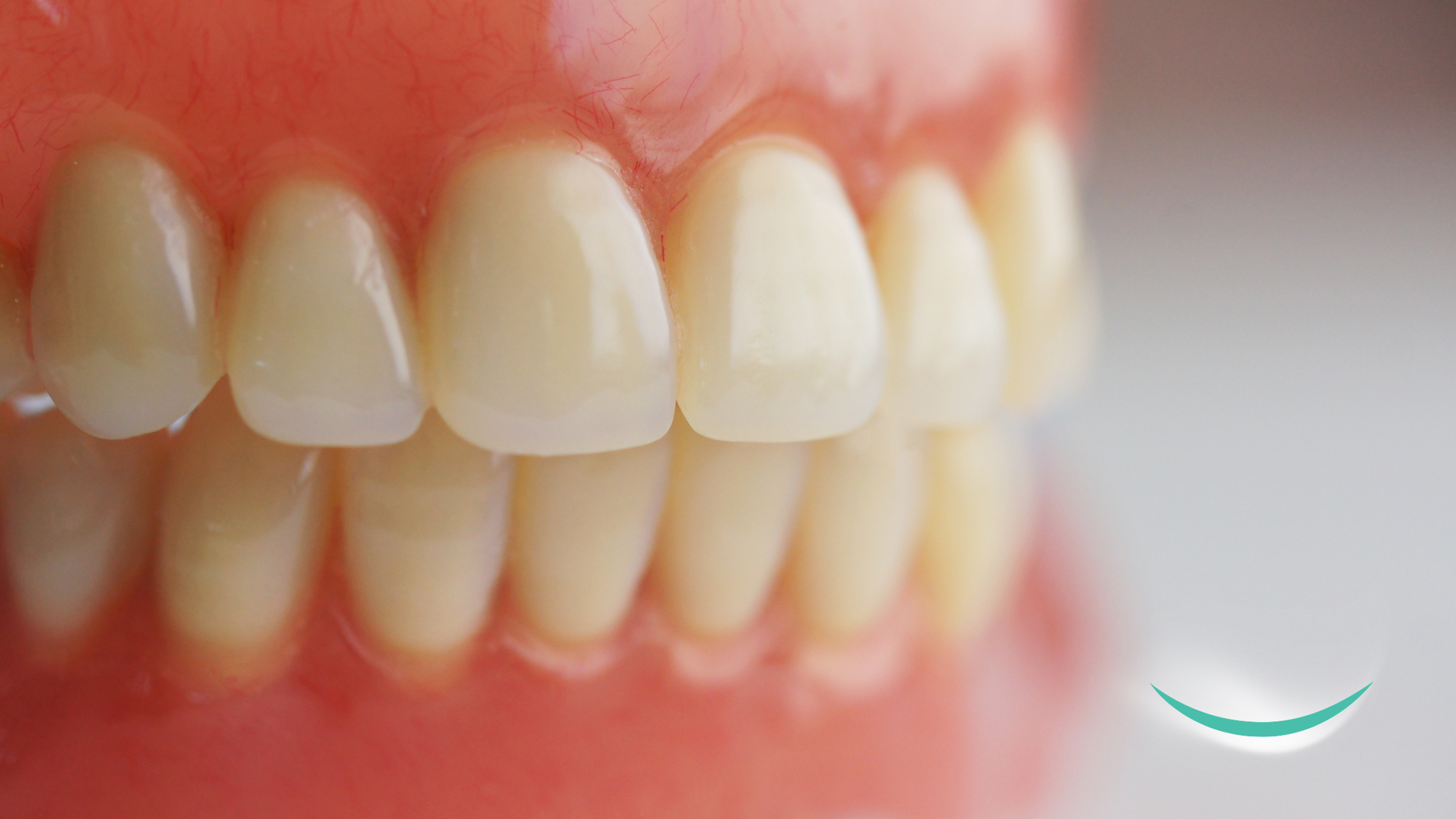
There is rarely one single reason dentures begin irritating the tongue. In many cases, several small factors contribute to the problem.
You Are Still Adjusting to New Dentures
Receiving new dentures is a major change for your mouth. Your tongue has spent years adapting to the shape and position of your natural teeth. When dentures are placed, your tongue must learn how to move around an entirely new appliance.
Some mild tenderness during the first few days is completely normal. However, discomfort should gradually improve as your mouth adjusts. If soreness continues or becomes worse after the initial adjustment period, your dentures may need to be modified.
Your Dentures May Need Minor Adjustments
Even well-made dentures occasionally require adjustments after they are delivered.
A border may be slightly too long.
A surface may place extra pressure against the tongue.
The denture may simply need to be smoothed in one specific area.
These adjustments are often small but can make a significant difference in comfort. Rather than trying to tolerate ongoing irritation, having your dentures professionally evaluated can prevent minor discomfort from becoming a larger problem.
Changes in Your Mouth Can Affect How Dentures Fit
One of the most common reasons older dentures begin rubbing the tongue is that your mouth naturally changes over time. After teeth are removed, the jawbone gradually shrinks through a process called bone resorption. As the bone changes, the gums also change shape. Even dentures that once fit perfectly may no longer sit in the same position several years later.
When dentures become loose or unstable, they shift slightly during chewing and speaking. This movement increases friction against the tongue and surrounding soft tissues.
Many patients assume they simply need to "live with" older dentures, but that is not the case. A denture reline, adjustment, or replacement can often restore stability and improve comfort.
At Richmond Denture Clinic in Richmond, we evaluate not only your dentures but also how your mouth has changed over time to recommend the most appropriate solution.
Your Tongue May Be Working Harder Than It Should
Here is something many denture wearers never realize. When dentures become loose, your tongue often tries to hold them in place.
Without thinking about it, the tongue begins pushing against the denture throughout the day to keep it stable while eating or talking. Although this compensation happens naturally, it places extra strain on the tongue muscles and increases rubbing against the denture surfaces. Over time, this constant effort can lead to:
- Tongue soreness
- Muscle fatigue
- Difficulty speaking clearly
- Trouble eating certain foods
- Small ulcers or irritated areas
If you constantly feel like your tongue is "fighting" your dentures, it is usually a sign that the dentures are no longer fitting as they should.
Book a consultation with Richmond Denture Clinic in Richmond to determine whether your dentures need an adjustment, reline, or replacement.
Do Not Ignore Persistent Denture Irritation

It is easy to dismiss minor soreness, especially if you have worn dentures for years. However, ongoing irritation should never be considered normal.
When dentures continuously rub against the tongue, they can create painful sores that make eating and speaking uncomfortable. Patients often begin avoiding certain foods because chewing becomes difficult, limiting nutrition and reducing their enjoyment of meals.
Some people also become self-conscious about speaking because they worry their dentures will move or their speech sounds different. Over time, this can affect confidence and overall quality of life. Most importantly, persistent irritation can sometimes indicate that your dentures are no longer providing the support your mouth needs.
The earlier these issues are addressed, the easier they are to correct.
How We Help Restore Comfortable Dentures

Every patient has different needs, which is why there is no one-size-fits-all solution for uncomfortable dentures.
At Richmond Denture Clinic in Richmond, we begin by carefully examining your dentures, bite, gums, and tongue to identify the exact source of irritation. Depending on your situation, treatment may include:
- Minor denture adjustments to eliminate pressure points
- Smoothing rough areas that irritate soft tissues
- Relining existing dentures to improve stability
- Replacing worn or poorly fitting dentures
- Evaluating whether implant-supported dentures may provide greater comfort and stability
Our goal is not simply to stop the rubbing. It is to ensure your dentures fit comfortably, function properly, and allow you to enjoy everyday activities without discomfort.
Comfortable Dentures Should Feel Natural

Dentures should help you smile, eat, speak, and enjoy daily life with confidence. If you constantly notice your dentures rubbing your tongue, something is likely preventing them from fitting as comfortably as they should.
Fortunately, many denture problems can be corrected with professional adjustments before they develop into more significant concerns.
At Richmond Denture Clinic in Richmond, we are committed to helping patients enjoy comfortable, secure dentures that support both their oral health and quality of life. Whether your dentures are brand new or several years old, our team can evaluate the fit and recommend the solution that is right for you.
If your dentures are rubbing your tongue or causing ongoing discomfort, do not wait for the problem to worsen. Schedule your consultation with our team today and let us help you restore a comfortable, confident smile.
Share
Related Posts