Complete Dentures in Richmond, BC
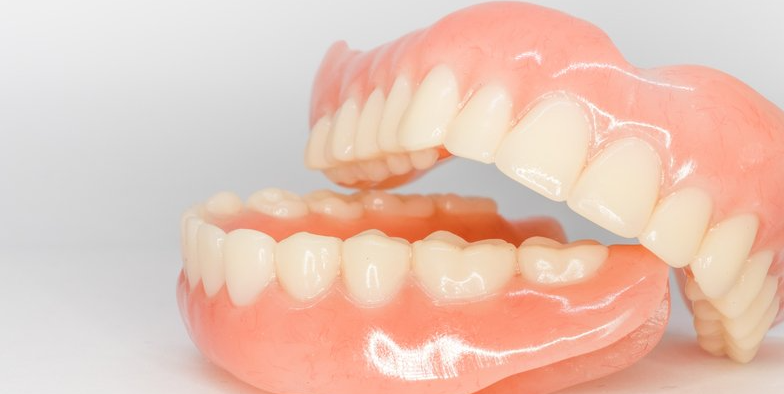
Richmond Denture Clinic creates custom complete dentures that replace a full arch of missing teeth with a comfortable fit and natural appearance. Whether you need upper complete dentures, lower complete dentures or both, our registered denturist will help you understand your options.
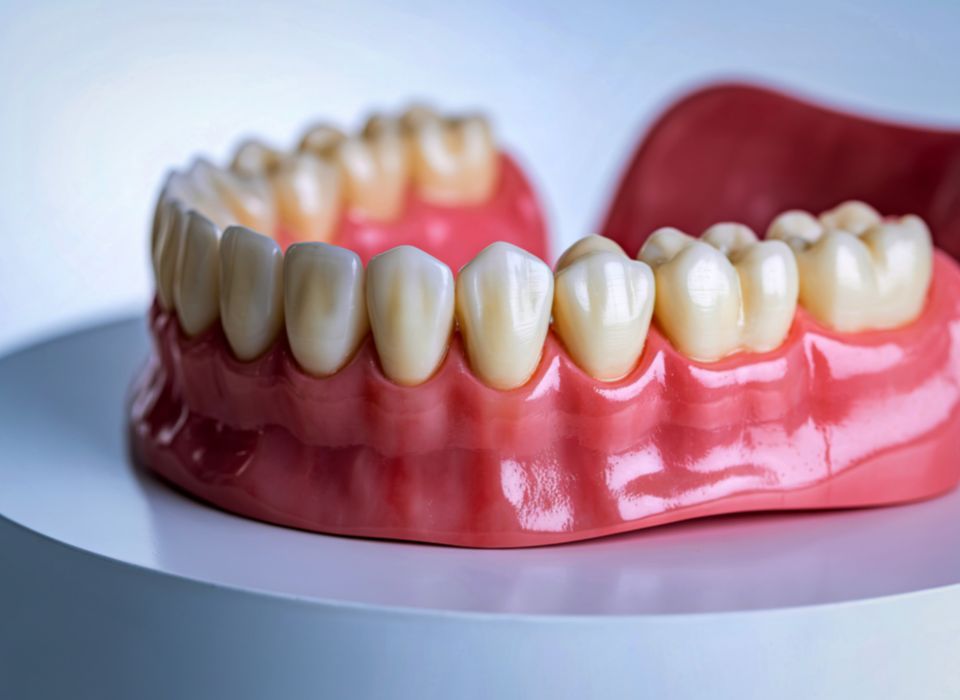
Custom Fit and Natural Appearance
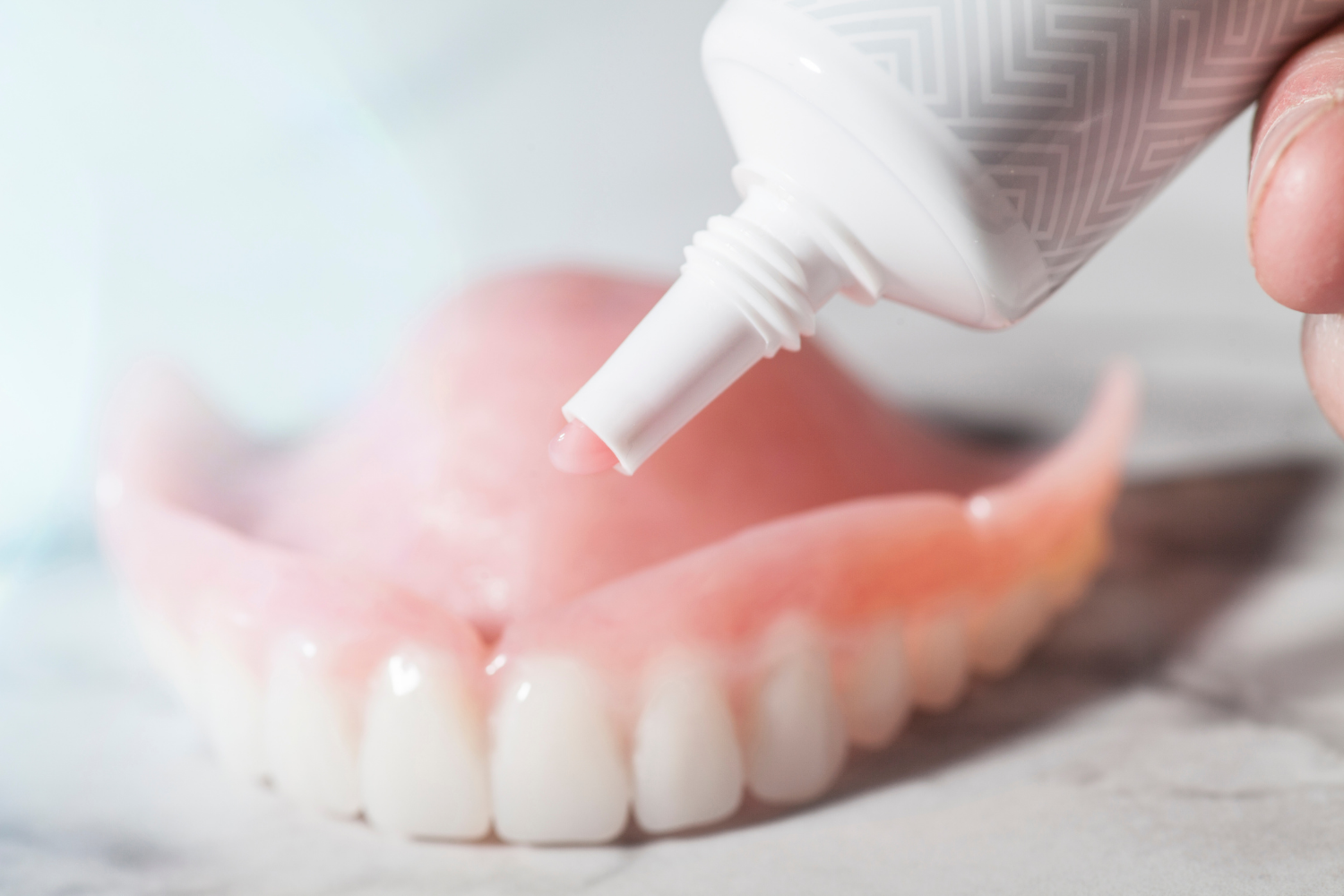
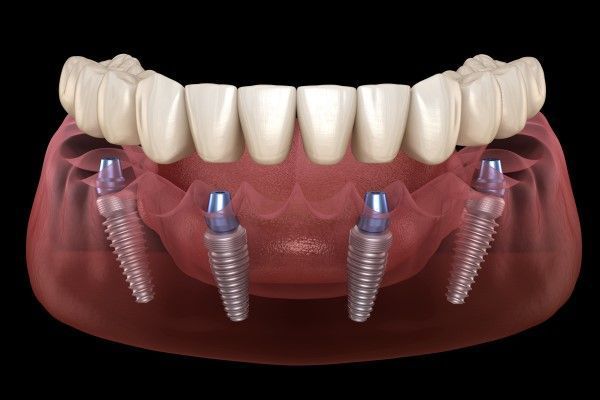
Options for Improved Stability
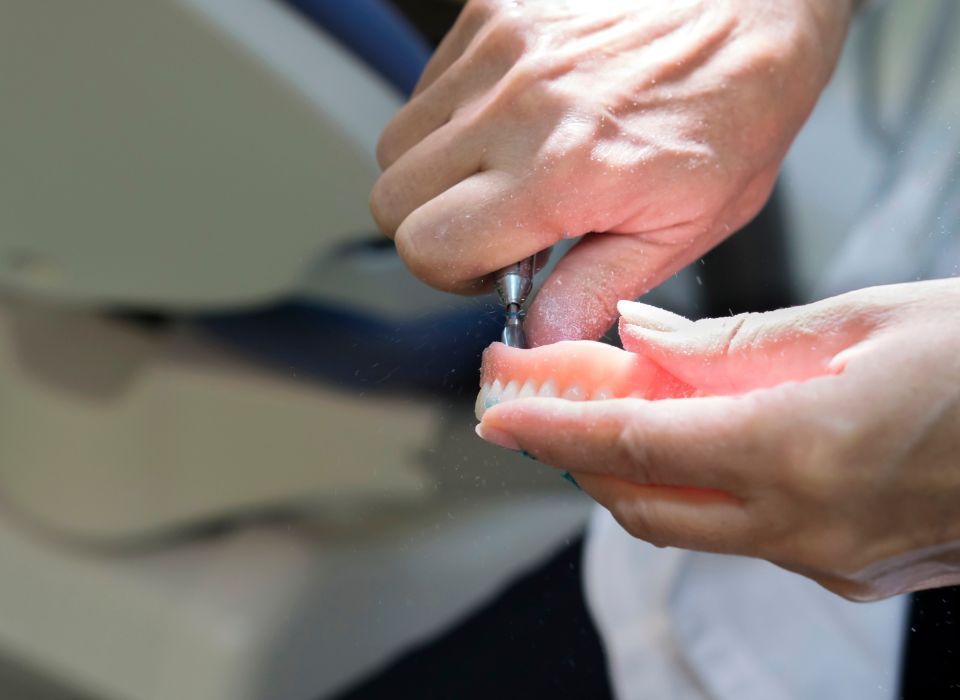
Adjustments, Relines and Repairs Available
Personalized Care from a Registered Denturist
Book Your Appointment
Schedule a consultation to discuss your denture needs and learn what to expect during a complete denture fitting.


Why Choose Us for Complete Dentures
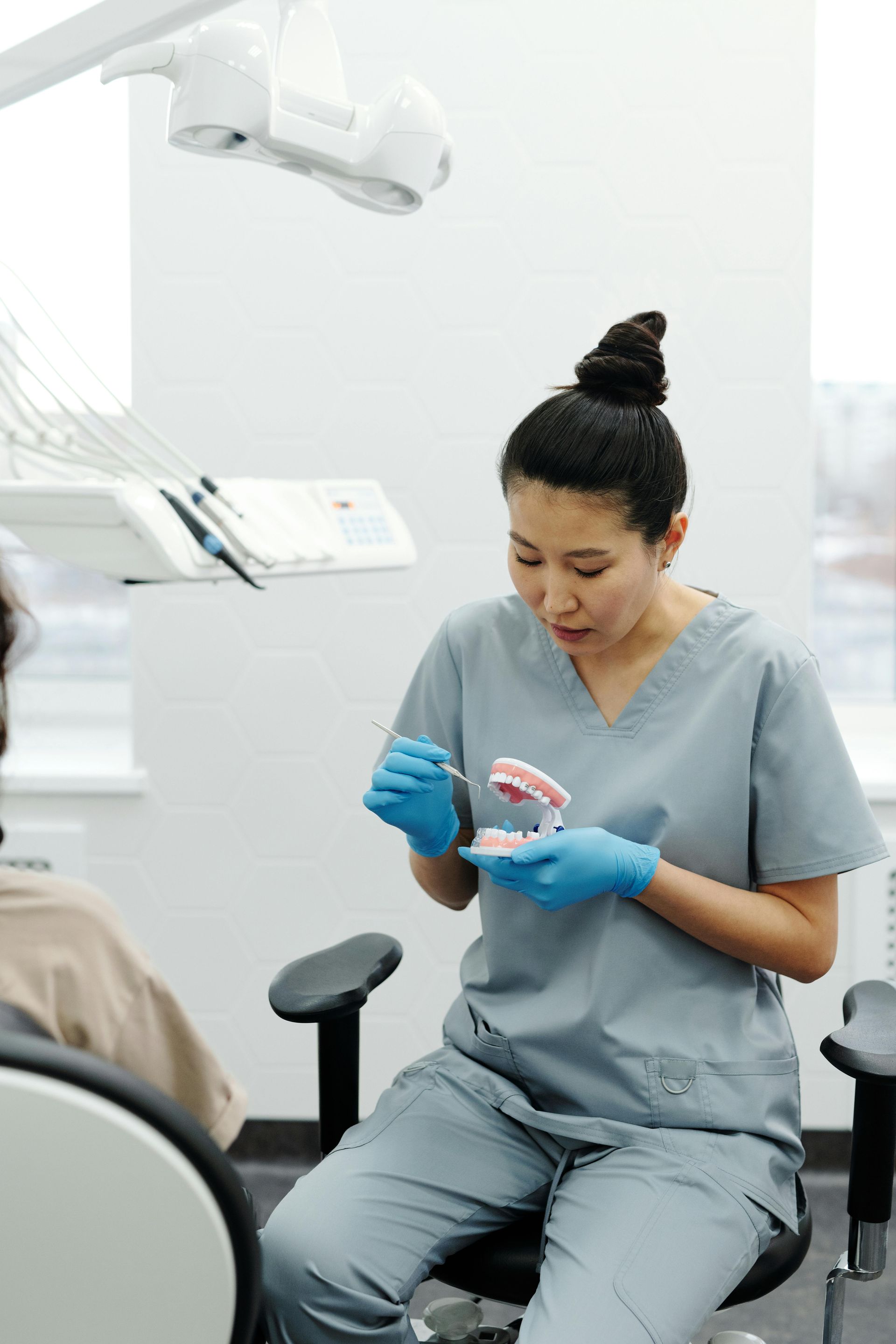
Richmond Denture Clinic combines modern denture technology with personalized treatment to create removable complete dentures designed for comfort, function and a natural appearance. Whether you are receiving dentures for the first time or considering a complete denture replacement, our team will explain each stage and provide support throughout your treatment.
Voted Best Denture Clinic in Richmond
Registered Denturist Led Care
Custom Fit and Natural Appearance

Explore Our Denture Services
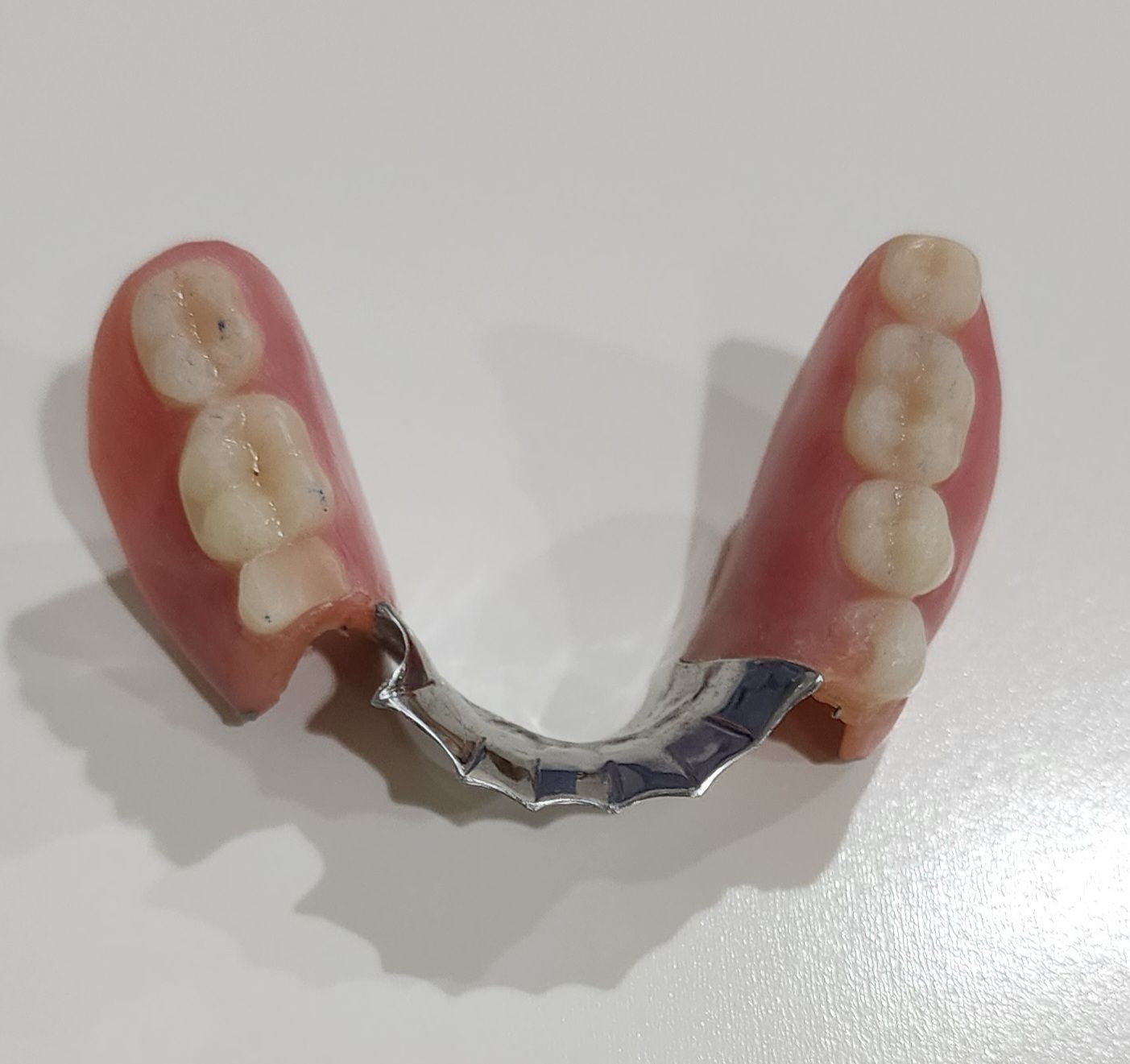
In addition to complete upper and lower dentures, Richmond Denture Clinic provides a range of treatment options based on each patient’s comfort, function and lifestyle needs.
Complete Denture Costs and Treatment Planning in Richmond
We believe patients considering full dentures in Richmond should receive clear information about their treatment. Costs vary according to individual needs, materials and treatment requirements, so an examination is needed before an accurate estimate can be provided.
Clear Treatment Planning
We explain your options, expected timeline, treatment stages and anticipated costs.
Ongoing Denture Support
We provide professional denture adjustments, relines and repairs when clinically appropriate.
Modern Denture Technology
Current techniques and materials support a comfortable fit and natural-looking result.
Frequently Asked Questions

Restore Your Full Smile with Complete Dentures
If you are searching for complete dentures near me, Richmond Denture Clinic provides personalized treatment for first-time and experienced denture wearers. Our complete denture specialist will help you find a solution designed for comfortable everyday function and renewed confidence.